
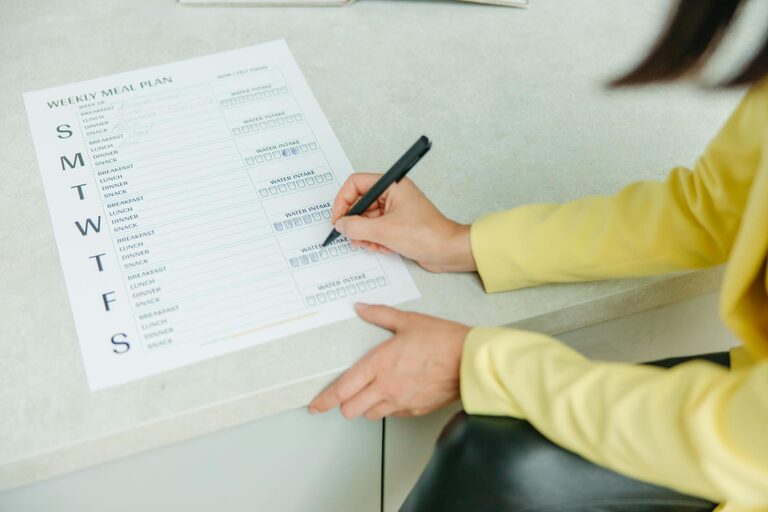
Creating a weekly meal plan is a great way to simplify your cooking routine, save time, and make healthier food choices. Whether you’re cooking for yourself, your family, or roommates, having a plan can reduce the daily question of “What’s for dinner?” and prevent last-minute takeout runs. This guide will walk you through the basics of setting up a simple, effective weekly meal plan.
Why Plan Your Meals Weekly?
Meal planning offers many benefits, including:
– Saving time: Knowing what you’ll cook each day means fewer trips to the store and faster meal prep.
– Reducing stress: No more scrambling to decide what to eat.
– Eating healthier: Planning allows you to balance your meals with nutritious ingredients.
– Cutting food waste: Buying only what you need helps avoid spoilage.
– Saving money: Bulk buying and meal prepping prevent expensive takeout.
Now, let’s explore how you can start your own simple weekly meal plan.
Step 1: Assess Your Week Ahead
Before you plan meals, consider your schedule and lifestyle. Ask yourself:
– How many meals need planning? (e.g., dinners only or all meals)
– Will anyone be eating with you? How many people?
– Do you have time for daily cooking, or will batch cooking work better?
– Any special dietary preferences or restrictions?
Knowing these details helps you create a realistic plan suited to your needs.
Step 2: Choose Your Meals
Start by listing go-to meals that you enjoy and can prepare easily. Aim for variety but keep it manageable. Here are some categories to consider:
– Proteins: Chicken, fish, beans, tofu, eggs, lean beef.
– Grains: Rice, pasta, quinoa, bread.
– Vegetables: Fresh, frozen, or canned options.
– Simple recipes: Stir-fries, sheet pan dinners, salads, soups.
Tip:
Keep a favorites list and rotate meals weekly. This makes planning quicker and keeps meals exciting.
Step 3: Create a Weekly Menu Template
Set up a basic grid or list with days of the week and meals (breakfast, lunch, dinner). For example:
| Day | Breakfast | Lunch | Dinner |
|———–|—————–|—————|——————–|
| Monday | Yogurt & fruit | Salad & bread | Grilled chicken & veggies |
| Tuesday | Oatmeal | Sandwich | Spaghetti & meat sauce |
You don’t have to plan every meal if you prefer flexibility, but having dinners mapped out can be especially helpful.
Step 4: Plan Your Grocery List
Based on your menu, write down all the ingredients you’ll need for the week. Organize your list by grocery store sections like produce, dairy, pantry items, and proteins. This saves time and helps you avoid forgetting essentials.
Example Grocery List Categories:
– Produce: tomatoes, spinach, onions
– Protein: chicken breasts, eggs, beans
– Grains: pasta, rice
– Dairy: cheese, milk, yogurt
– Pantry: olive oil, spices, canned tomatoes
Step 5: Shop Smartly
Try to buy what will keep fresh through the week or plan to shop twice: once for fresh items early in the week and once midweek if needed. Buying in bulk for things like rice, pasta, or canned goods can cut costs.
Remember to bring your grocery list and stick to it as much as possible.
Step 6: Meal Prep and Cooking Tips
Setting aside some time to prep ingredients or cook meals in advance can make busy days easier.
– Batch cooking: Make large portions of soups, stews, or casseroles to refrigerate or freeze.
– Prep ingredients: Chop vegetables or marinate proteins ahead.
– Use simple cooking methods: One-pot recipes or sheet pan meals reduce cleanup.
Label leftovers with dates to keep track and avoid waste.
Step 7: Adjust and Stay Flexible
Your meal plan doesn’t have to be perfect. If an ingredient isn’t available, swap meals around. If unexpected events arise, don’t stress—you can always adapt or choose a simple backup meal like eggs or a salad.
Sample Simple Weekly Meal Plan
| Day | Breakfast | Lunch | Dinner |
|———|——————|—————-|———————–|
| Monday | Smoothie & toast | Turkey sandwich | Stir-fried chicken & veggies |
| Tuesday | Oatmeal & fruit | Leftover stir-fry | Baked salmon & rice |
| Wednesday| Yogurt & granola | Salad with chickpeas | Pasta with tomato sauce |
| Thursday| Scrambled eggs & toast | Sandwich & fruit | Sheet pan veggies & tofu |
| Friday | Pancakes | Soup & bread | Homemade pizza |
| Saturday| Fruit & nuts | Leftover pizza | BBQ chicken & salad |
| Sunday | French toast | Wrap & veggies | Roast beef & potatoes |
Final Thoughts
Starting a weekly meal plan may require a little effort upfront but pays off with less stress, better nutrition, and more control over your meals. Begin with simple favorites, prepare your grocery list carefully, and stay flexible as you go. Over time, you’ll develop a rhythm that fits your schedule and taste.
Happy planning and happy eating!