
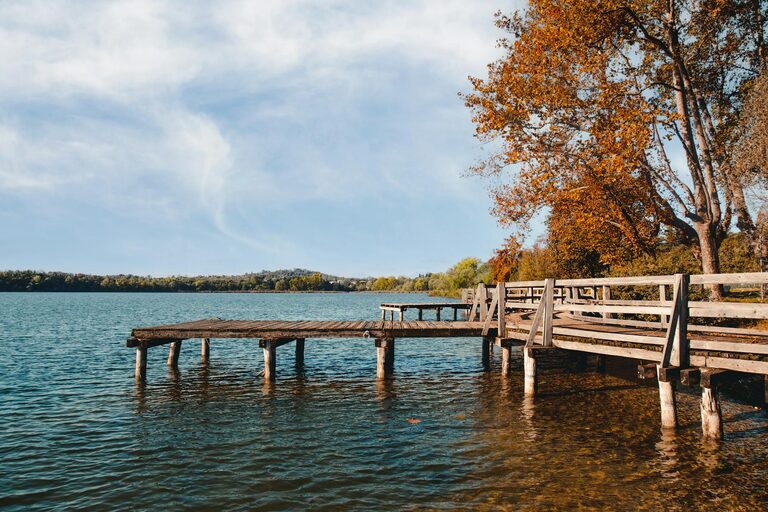
Unwinding and taking a break from the daily grind is essential for maintaining balance and well-being. However, weekends can sometimes bring as much stress as the weekdays when we try to cram too many activities or chores into a short time. Planning a no-stress weekend takes some thought but can make a huge difference in how refreshed and peaceful you feel. This post will guide you through easy steps to ensure your weekend is both relaxing and fulfilling.
Why Plan a No-Stress Weekend?
Weekends are our opportunity to recharge, connect with loved ones, and engage in hobbies or rest. Without proper planning, it’s easy to feel rushed, overwhelmed, or guilty for not getting “enough” done. A no-stress weekend helps you:
– Reduce anxiety and mental fatigue
– Improve sleep quality
– Boost creativity and mood
– Strengthen relationships
– Increase productivity during the week ahead
Step 1: Set Your Priorities
Begin by deciding what matters most to you over the weekend. Is it relaxation, spending time outdoors, socializing, or tackling a project? Write down a few key priorities to guide your plan.
Tips for prioritizing
– Limit priorities to 2-3 main goals to avoid overloading
– Be realistic about what you can accomplish in 2 days
– Include rest and “me-time” as a priority
Step 2: Create a Loose Schedule
While weekends should feel flexible, having a loose plan helps prevent stress from last-minute decisions or conflicts. Use a planner or your phone’s calendar to block off time for your priorities.
Sample Weekend Schedule
| Time | Activity |
| ————– | ————————–|
| Saturday 9-10am| Morning walk or yoga |
| Saturday 10-11am| Breakfast and reading |
| Saturday 11am-1pm| Hobby or project time |
| Saturday 1-2pm | Lunch and rest |
| Saturday 2-5pm | Social time or outing |
| Sunday 9-11am | Sleep in and slow morning |
| Sunday 11am-1pm | Meal prep and chores |
| Sunday 1-3pm | Relax with a movie or book|
| Sunday 3-5pm | Prep for the week ahead |
Step 3: Minimize Commitments
Say no to anything that feels too demanding or unnecessary. This could include work emails, social obligations, or errands that can wait.
How to Say No Gracefully
– Be honest but polite, “I’m focusing on rest this weekend.”
– Suggest alternative times for social plans
– Limit notifications and work-related alerts
Step 4: Prepare Your Space
A calm environment can enhance relaxation. Spend a bit of time Friday evening organizing your space to make your weekend smooth.
Tips for a Relaxing Environment
– Tidy up clutter to reduce visual stress
– Set up a cozy reading or meditation nook
– Light candles or use essential oils with calming scents
– Have snacks and drinks easily accessible
Step 5: Embrace Relaxation Techniques
Incorporate activities that promote mindfulness and relaxation to keep stress away.
Easy Relaxation Ideas
– Practice deep breathing or meditation for 10 minutes
– Take a warm bath with soothing music
– Enjoy gentle stretching or yoga
– Disconnect from screens for an hour or two
– Listen to your favorite music or nature sounds
Step 6: Plan Nourishing Meals
Good food fuels the body and mind. Avoid complicated recipes or dining out plans that cause stress.
Simple Meal Planning Tips
– Prepare easy, balanced meals ahead of time
– Use slow cookers or instant pots to save effort
– Include plenty of fresh fruits and vegetables
– Stay hydrated with water, herbal teas, or infused water
Step 7: Connect Meaningfully
Whether alone or with others, meaningful connections boost well-being and joy.
Ways to Connect
– Call or video chat with a close friend or family member
– Share a meal or casual walk with loved ones
– Engage in group hobbies or volunteer activities (if desired)
Step 8: Reflect and Adjust
At the end of your no-stress weekend, take a few minutes to reflect on what worked well and what could be improved.
– What activities made you feel relaxed or energized?
– Were there any moments of stress, and why?
– How can you incorporate these lessons into future weekends?
Final Thoughts
Planning a no-stress weekend isn’t about strict rules—it’s about consciously choosing rest and enjoyment over chaos and pressure. By setting clear priorities, minimizing commitments, preparing your environment, and focusing on what truly refreshes you, weekends can become your favorite time of the week. Give yourself permission to slow down, breathe, and savor the moments that bring peace and happiness.
—
Remember, the goal is to create space for relaxation and fun that feels natural and revitalizing. Start with small changes, and soon you’ll notice the difference a well-planned weekend makes. Enjoy your stress-free time!